

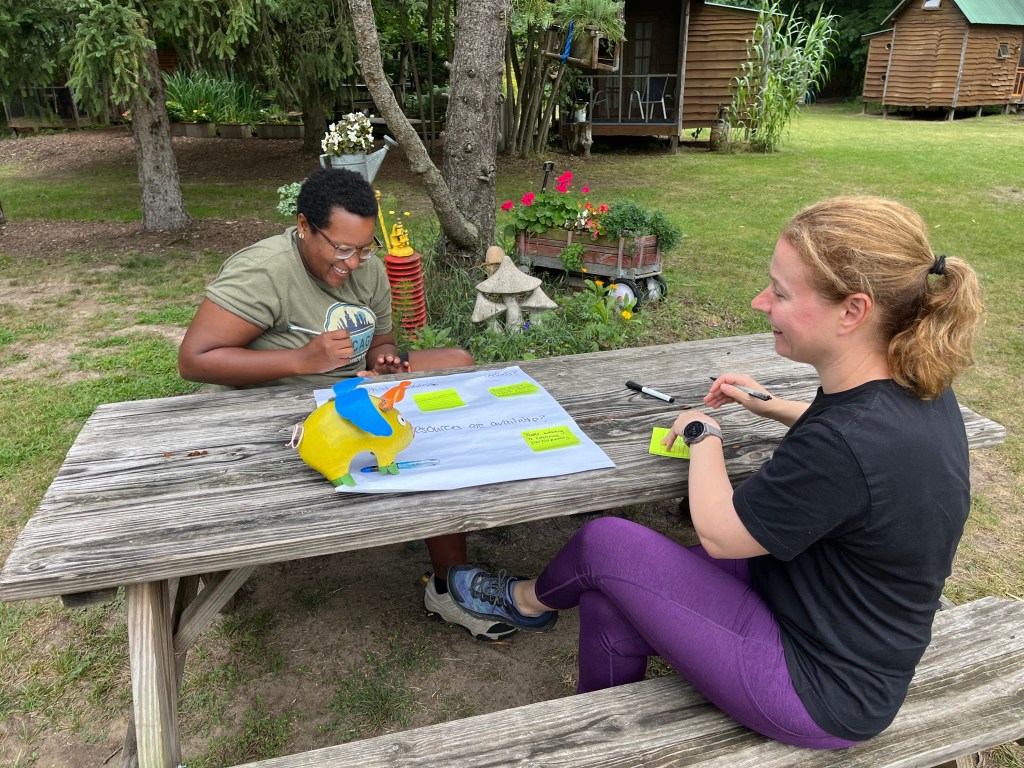
We are pleased to announce our 2025-2026 Michigan Clean Energy Leaders cohort! This incredible group of leaders will spend the year building relationships, sharing knowledge and skills, and nurturing collaboration to accelerate Michigan’s clean energy transition. The cohort brings numerous talents and we know they are uniquely positioned to collaborate with one another, with representation across regions, industries, identities and backgrounds. We are thrilled to welcome our 2025-2026 fellows into our growing MCEL community and we look forward to seeing what’s ahead for them.
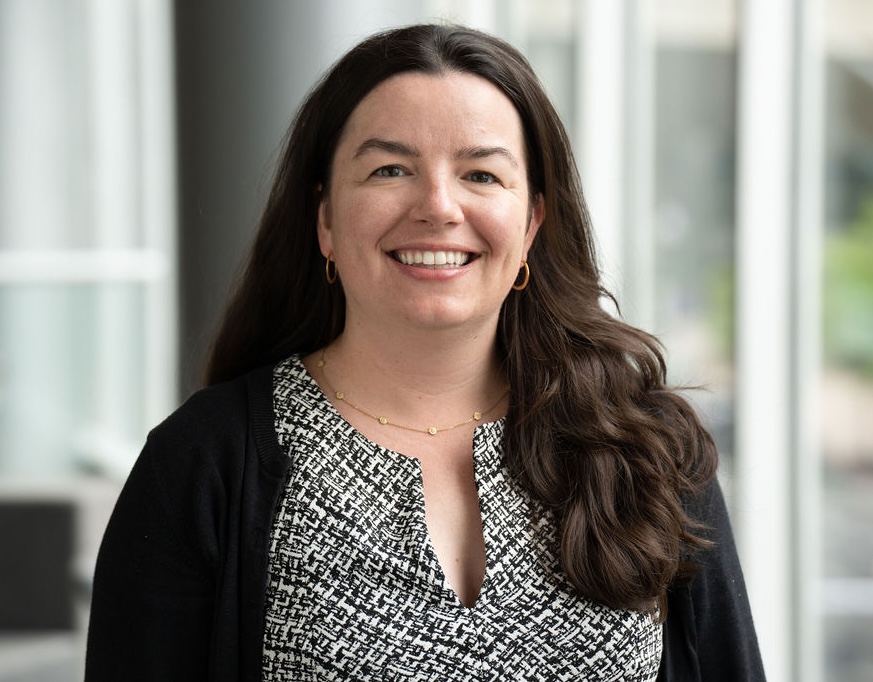
Bridget Callahan
she/her
Vice President of Project Development | Summit Ridge Energy
Detroit, MI (Work location: Arlington, VA)
Bridget Callahan, as VP of Project Development, leads the Summit Ridge Energy team on early-stage development of ground mount and rooftop community solar projects in the Midwest, primarily focused on projects in the State of Illinois. Since joining the solar industry in 2013, she has had an evolving role from first working on solar renewable energy credit (SREC) operations, to moving into commercial and industrial development to now community solar.
After nearly a decade on the East Coast, Bridget and her husband relocated back to Michigan in 2022, where they are proud homeowners of a 100-year-old home in the City of Detroit. She is excited to be more involved in the clean energy community here in Michigan.
Bridget holds a B.A. from the Gerald R. Ford School of Public Policy at the University of Michigan. She is an alumna of the Clean Energy Leadership Institute (CELI) Fellowship, as well as the Financing and Deploying Clean Energy certificate program with the Yale Center for Business and the Environment. She also holds an active Project Management Professional (PMP) certification with the Project Management Institute.

Gustavo Cordero
he/him
Public Utilities Engineer, Renewable Energy and Storage Siting | Michigan Public Service Commission
Kalamazoo, MI (Work location: Lansing)
Gustavo Cordero is a Public Utilities Engineer for the Michigan Public Service Commission (MPSC). At the MPSC, Gustavo is a part of the Renewable Energy and Energy Storage Siting Section, which is responsible for implementing Michigan’s new state siting process for wind, solar, and energy storage projects. With a collective five years of experience in private, non-profit, and public sectors, Gustavo has developed skills working with groups known for bridging the gap between social impact and science. An avid researcher, lifelong learner, and one to ask the tough questions, he thrives on solving complex problems that sit at the intersection of equity, environment, and innovation. Most importantly, he’s passionate about building solutions that actually work for people and the planet. He holds a Master’s degree in Environment and Sustainability specializing in Sustainable Systems from the University of Michigan’s School for Environment and Sustainability.
When he’s not immersed in project planning, Gustavo is all about quality time—whether that’s cooking a new dish with his partner, playing with his cat, catching up with his family and friends, or losing track of time in a good game. As a fluent Spanish speaker, he values staying connected to his roots and often finds joy in using language to bring people together. He’s the type of person who brings humor and heart to every space he’s in—quick to share a laugh, start a game night, or be the go-to support for those he cares about. For Gustavo, leadership isn’t just about strategy—it’s about showing up fully, being honest, staying curious, and creating spaces where people feel seen and supported.

Haley Neuenfeldt
she/her
Climate Finance and Funding Officer | Office of Climate and Energy
Ann Arbor, MI (Work location: Lansing)
Haley Neuenfeldt is the Climate Finance and Funding Officer for the State of Michigan’s Office of Climate and Energy. In this role, she supports efforts to secure funding and advance initiatives that support Michigan’s decarbonization goals. She has helped launch the MI Healthy Climate Challenge, a multi-grant campaign leveraging public and private funding to support clean energy projects statewide, and contributes to the Michigan Solar for All program, including the MI Solar for All Pilot Program.
Haley’s work centers on policy, community, and environment, with a focus on fostering healthier, more connected communities through collaboration, strategic partnerships, and public investment. Previously, she worked for a non-profit addressing food insecurity in Richmond and served as a rural education volunteer in Peace Corps Zambia.
She holds dual master’s degrees in Public Policy and Environmental Policy and Planning from the University of Michigan. During graduate school, Haley worked for the Economic Growth Institute, analyzing the socioeconomic impacts of decommissioning the Palisades Nuclear Plant, and with Resources for the Future, assessing local government revenue reliance on energy infrastructure to inform renewable energy tax policy.

Jacob Stid
he/him
Postdoctoral Research Associate, Department of Earth and Environmental Sciences | Michigan State University
Holt, MI (Work location: East Lansing)
Jake is a Postdoctoral Researcher at Michigan State University where he works to advance the sustainability of renewable energy landscapes. His research leverages remotely sensed imagery to create large geospatial datasets on solar and wind energy siting, design, and management, with the goal of promoting coexistence within agricultural and natural environments. His work has been published in several academic journals, including Nature Sustainability, and he regularly shares his science at national and international conferences. He also plays a key role in mentoring graduate and undergraduate students and writing grants that explore creative ways to enhance natural resources through renewable energy.
Outside of research, Jake enjoys spending time with family, culinary adventures with his wife, Karey, collecting rocks and minerals (yes, he has a geology background), homebrewing mead, astrophotography, and exploring new places with his dog, Honey Bee.

Jamie Simmons
she/her
Senior Program Manager, Community Partnerships | Elevate
Ypsilanti, MI
Jamie Simmons is a Senior Program Manager on the Michigan Community Programs team at Elevate. In this role she manages community-wide decarbonization projects, co-developed and supports the implementation of Ann Arbor Home Rebate Program, and supports program development across Michigan. Jamie comes into the clean energy sector with a mezzo-macro social work framework, gaining her MSW from the University of Michigan – Ann Arbor.
Prior to joining Elevate, Jamie worked as the Engagement Director for Michigan Climate Action Network where she supported developing municipal climate plans, widening the narratives around climate impacts across Michigan, and co-developing the annual Michigan Climate Summit. She also served as NPR’s Michigan Public first Community Engagement Reporter where she worked with the station’s Community Reporting Engagement Council to better understand and address residents’ goals and helped Michigan Public produce journalism that gives community members the information they need to make decisions and advocate for what’s important to their community.
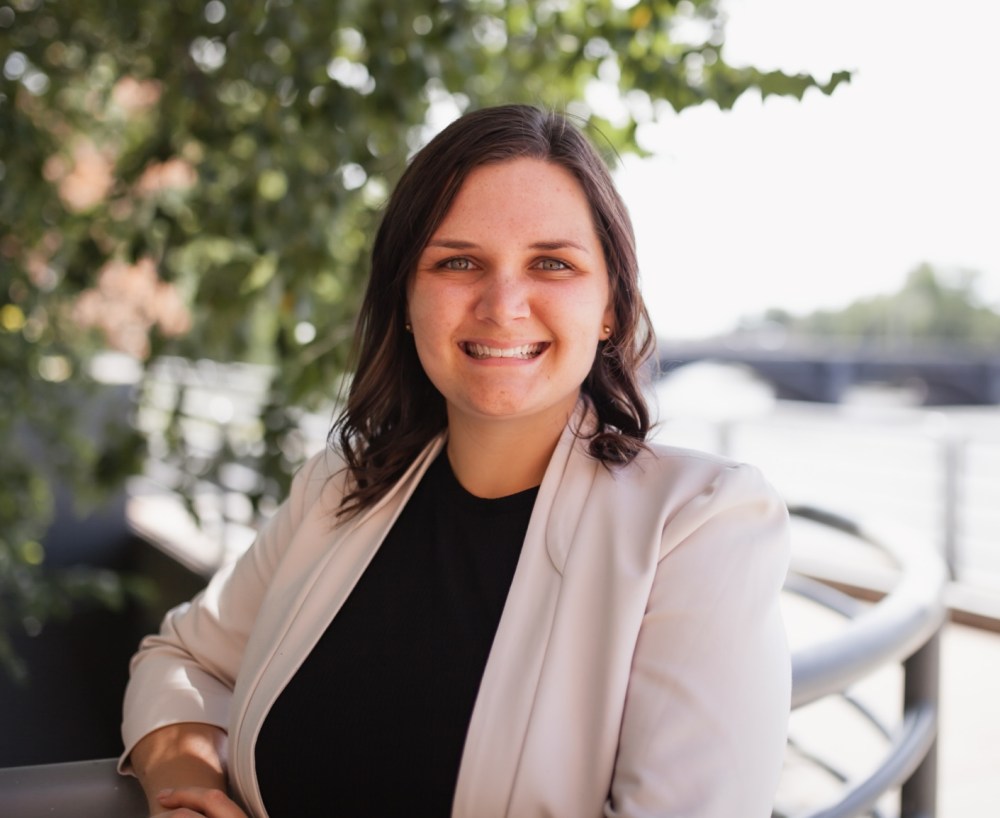
Kayla Snyder
she/her
Senior Programs Manager | Michigan Green Building Collaborative (MiGBC)
Grand Rapids, MI
Kayla is currently the Senior Programs Manager at the Michigan Green Building Collaborative, where she leads a suite of initiatives focused on accelerating climate action, clean energy, and sustainability across Michigan. With a background in energy efficiency, data transparency, and decarbonization, she oversees key programs like the Michigan Battle of the Buildings, the Lansing and Grand Rapids 2030 Districts, and the E.H. Zero Initiative. Kayla’s role allows her to bridge data analytics, public engagement, and strategic planning to help buildings across the state reduce their emissions and improve performance.
Prior to this role, she worked as an Energy Team Coordinator at E3M Solutions, where she conducted energy audits, managed utility data, and supported energy conservation strategies for various facilities. Her experience also includes sustainability work in the craft brewing industry and environmental research projects. Outside of the professional sphere, she finds joy in connecting with nature, being with friends and family, and exercising.
Some highlights she is proud to include:
- Helping to publish MiGBC’s first-ever strategic plan
- Publishing the Achieving Energy and Carbon Goals guidebook for Grand Rapids’ commercial and industrial buildings
- Leading cross-sector collaboration across Michigan

Kris Spaulding
she/her
Climate Director | Northern Initiatives
Grand Rapids, MI (Work location: Marquette)
Kris Spaulding is a sustainability leader who blends environmental expertise with business acumen. After earning her BS in Natural Resources and Environment from the University of Michigan and an MBA from Grand Valley State University, Kris began her career championing environmental advocacy, consumer rights, and government reform in the non-profit sector.
Her professional journey continued at Herman Miller, where she spent 12 years in dealer development, product management, and the Design for the Environment team. In 2010, Kris and her husband Jason founded Brewery Vivant, the world’s first LEED-certified commercial microbrewery and a Certified B Corporation. They later added Broad Leaf Brewery + Spirits.
In January 2025, Kris began working as the Climate Director at Northern Initiatives, a community lender, where she is building a green lending strategy. Kris lives in Grand Rapids with Jason, their two children, and their pets. She is an avid runner and reader and she loves to cook.
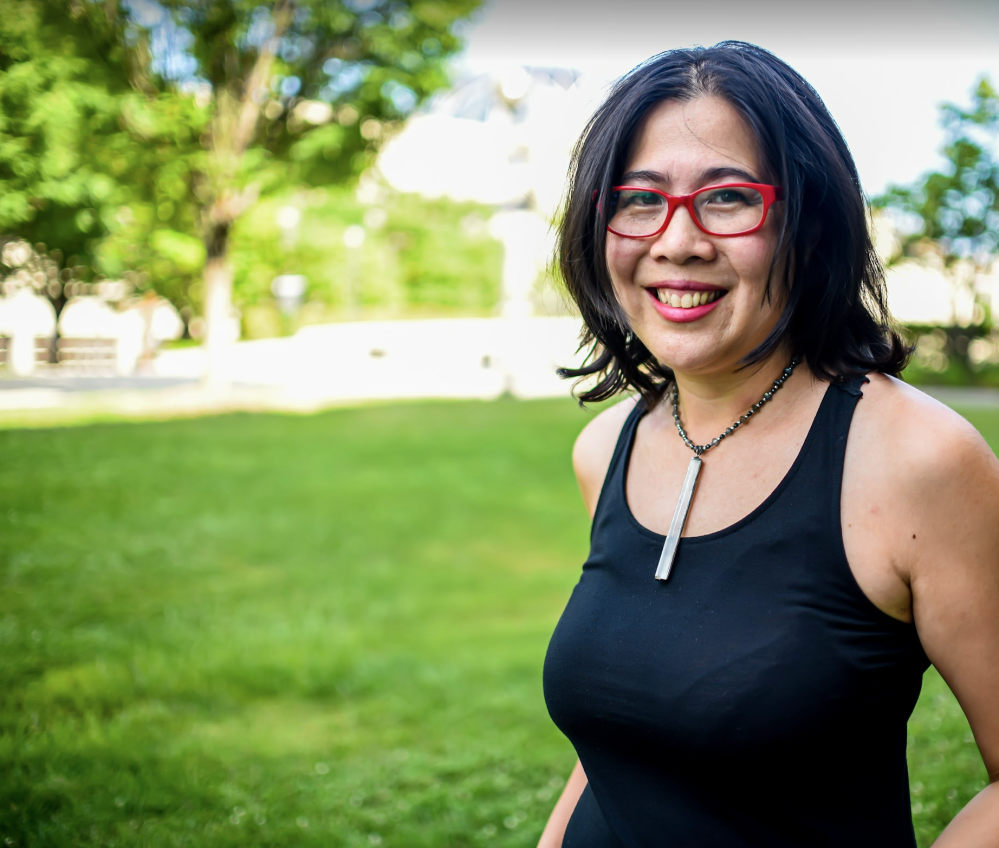
Leslie Tom
she/her
Chief Sustainability Officer | The Charles H. Wright Museum of African American History
Detroit, MI
Leslie Tom, MIMS, NCARB, NOMA, Assoc. AIA, is the Chief Sustainability Officer at The Charles H. Wright Museum of African American History, where she leads nationally recognized green museum initiatives that blend climate resilience, design, and cultural storytelling. She came to Detroit in 2015 through Wayne State University’s Detroit Revitalization Fellowship. Originally from Tucson, Leslie holds degrees in Architecture from the University of Arizona and in Information Management Systems from UC Berkeley’s School of Information.
Leslie serves on the boards of Planet Detroit and the Midwest Building Decarbonization Coalition, where she advocates for clean energy equity and environmental justice. At The Wright Museum, she is helping to define what it means to be a Green Museum of the Future—centered on People, Planet, Profit, and Programs—by elevating the narratives of African diaspora art, history, and humanities. Beyond her professional work, she finds joy in creating cultural identities in the public realm in both physical and digital ways, secondhand fashion, and building community through food, art, and music in her adopted hometown of Detroit.
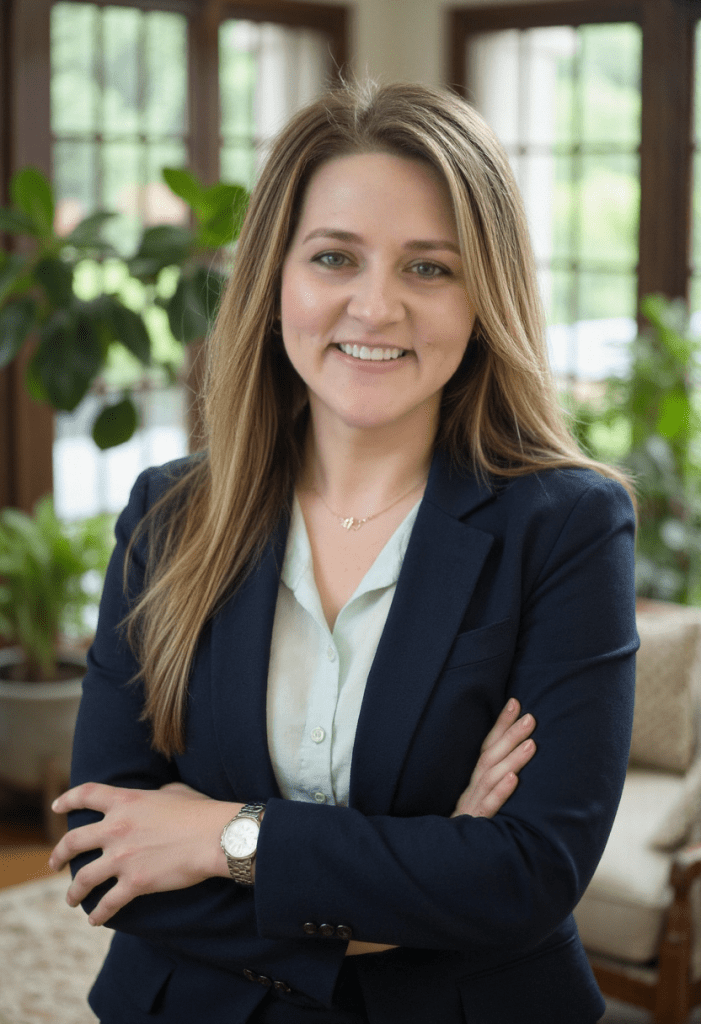
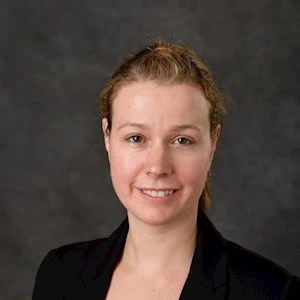
Lisa Biering
she/her
Manager, Product Innovation | Consumers Energy
Lansing, MI
As Manager of Product Innovation for Consumers Energy, Lisa leads a team of Pilot Managers researching and developing new energy efficiency technology and customer programs. The team assesses market trends, regulatory changes, and technology advancements to identify and test new products that can help Consumers Energy’s customers become more sustainable, lower their energy bills, and better manage their homes and businesses. Lisa is also heavily involved in her community, serving on various industry Boards and Committees including: Board Secretary for the Michigan Green Building Council; Committee Member for the City of Lansing’s 2030 District Advisory Council; and Co-Chair of the Advancing System and Climate Resiliency Initiatives Committee for the Associate of Energy Services Professionals.
Prior to joining her current team, Lisa worked in Gas Regulatory Assurance, leading implementation of new Natural Gas standards and rules and Corporate Strategy, managing business unit strategy in Engineering and Supply Chain. Beyond her utility tenure, Lisa brings a breadth of experience in various roles, including: Economic Development, Product Marketing, Public Relations, Corporate Communications, and Customer Service. She holds a Bachelor of Arts in English literature from Alma College and a Master of Arts in Strategic Communications from Michigan State University.

Natalie Lyijynen
she/her
Sustainable Business Associate | Michigan EIBC and IEI
Bloomfield Hills, MI
Natalie is the Sustainable Business Associate at the Michigan Energy Innovation Business Council (EIBC) and Institute for Energy Innovation (IEI). In this role, she leads Michigan EIBC’s efforts to advance the buildout of electricity transmission, a critical component for supporting the continued growth of renewable energy across the state. She also contributes to a wide range of energy policy initiatives, including writing portions of a residential building decarbonization roadmap for the state and coordinating with members on Solar For All program design.
Natalie holds a Bachelor of Science in Interdisciplinary Biology and Environmental Studies with a minor in Sustainability from the University of Michigan. During her time in college, she pursued several internships focused on clean energy policy and environmental justice. As an Energy and Arctic Policy Research Intern for the University of Alaska Fairbanks, she collaborated with a team of faculty and graduate students to draft an energy transition report for the Alaska State Legislature. Additionally, as a Global Water Crisis research assistant for the Michigan Quarterly Review, she helped promote greater inclusivity in the journal’s solicitation process and led an interview-based project exploring barriers around communicating climate and water issues.
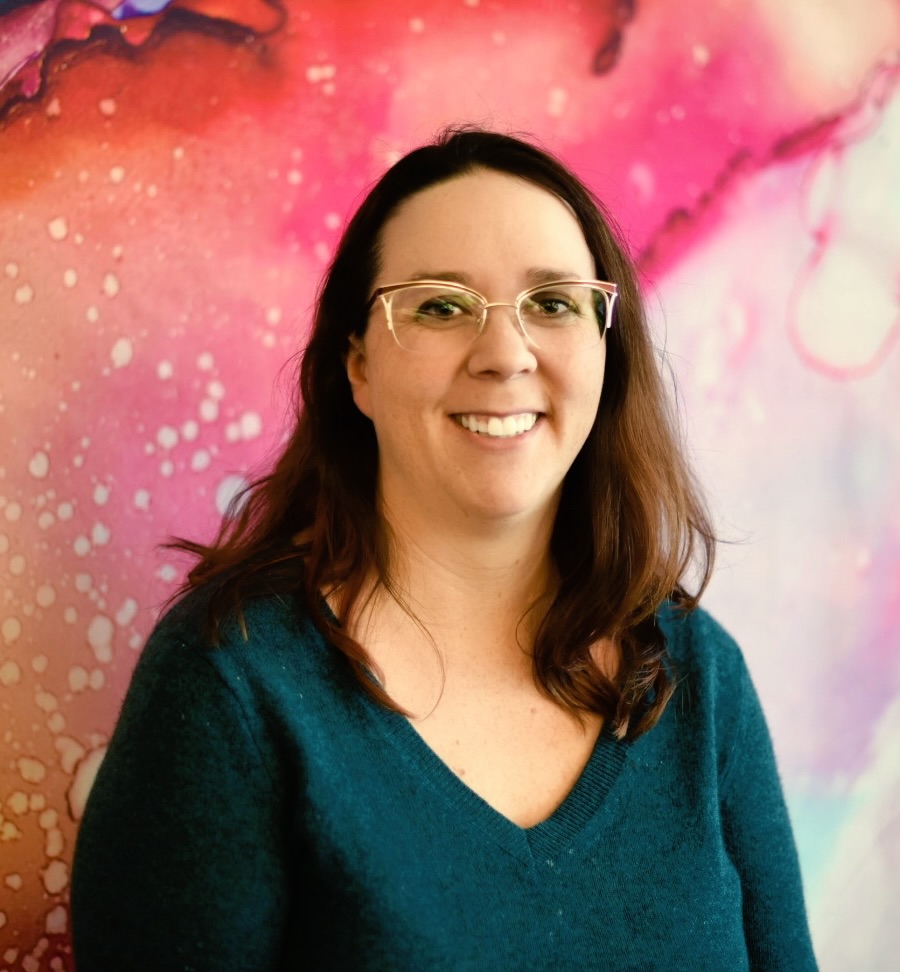
Samantha Craig
she/her
Executive Director | United Agrivoltaics Heartland Alliance
Founder | Shepherd’s Garden
Paw Paw, MI
Samantha Craig is a southwest Michigan entrepreneur, nonprofit leader, and advocate for combining clean energy with agriculture and conservation. She co-owns Craig Farms Katahdins and Shepherd’s Garden with her husband Matt, where they are raising their three young children on a working family farm that is expanding through solar grazing and development of an Agrivoltaic solar project. Through Shepherd’s Garden, they provide solar vegetation design, consulting, and grazing services, as well as collaborate with strategic partners on agrivoltaic and solar policy development and advocacy for community solar.
As Executive Director of United Agrivoltaics Heartland Alliance and lead regional farm partner for United Agrivoltaics North America, Samantha supports solar grazing in the region and advances agrivoltaics as a tool for land access, farm viability, and climate resilience. She brings lived experience navigating household energy insecurity, economic hardship, and the challenges of building a family farm business, experiences that inform her mission to bridge food and energy and build accessible opportunities for others.
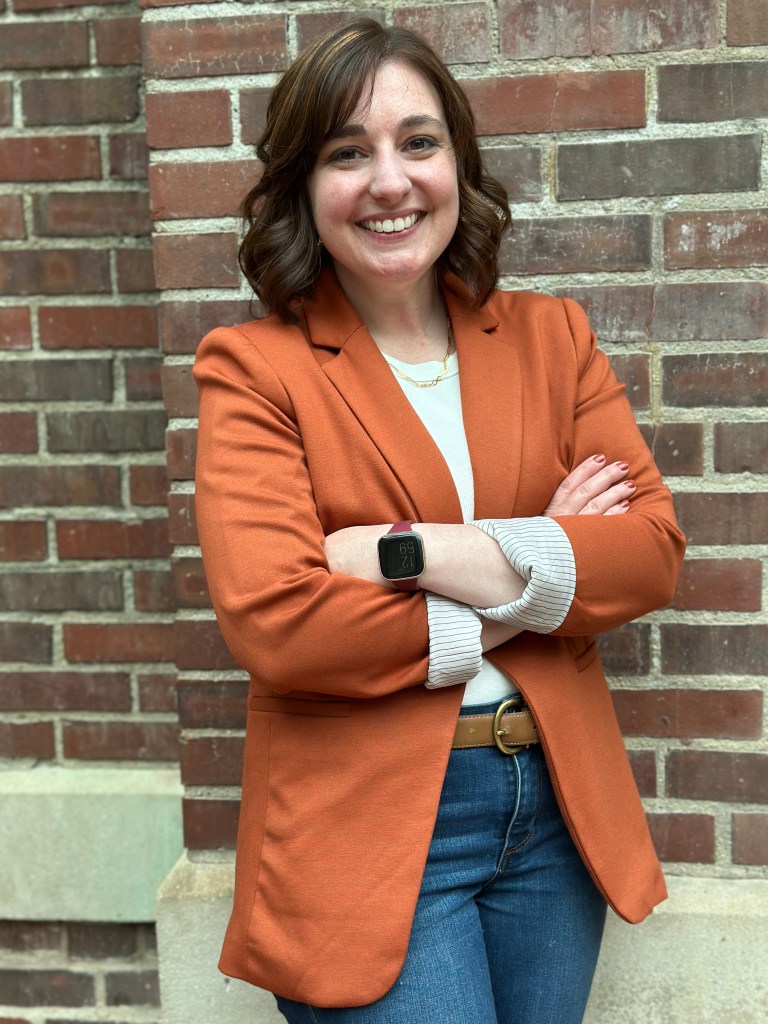
Sarah Lee
she/her
Clean Energy Engagement Specialist | University of Michigan Center for EmPowering Communities
Milford, MI (Work location: Ann Arbor)
Sarah Lee is a Clean Energy Engagement Specialist at the Center for EmPowering Communities, part of the Graham Sustainability Institute at the University of Michigan. In this role, Sarah builds local government capacity around sustainability and educates the next generation of leaders by connecting community needs with student ingenuity and the experience of external partners. She’s the founding coordinator of the Catalyst Leadership Circle (CLC), CLC Fellowship, and Sustainable Towns program, all of which support the state’s Catalyst Communities Initiative to help facilitate Michigan’s just transition to decarbonization. As part of U-M’s Carbon Neutrality Acceleration Program, Sarah also designs activities that promote interdisciplinary research collaborations.
Before coming to the University of Michigan, Sarah held various cross-sector positions in the field of clean energy including weather forecasting for renewables and building energy analytics. She holds degrees in meteorology from Valparaiso University and Plymouth State University and was a three-year SOARS Protégé at the National Center for Atmospheric Research in Colorado. Originally from the Midwest, Sarah lived in several states but is proud to now call southeast Michigan her home.
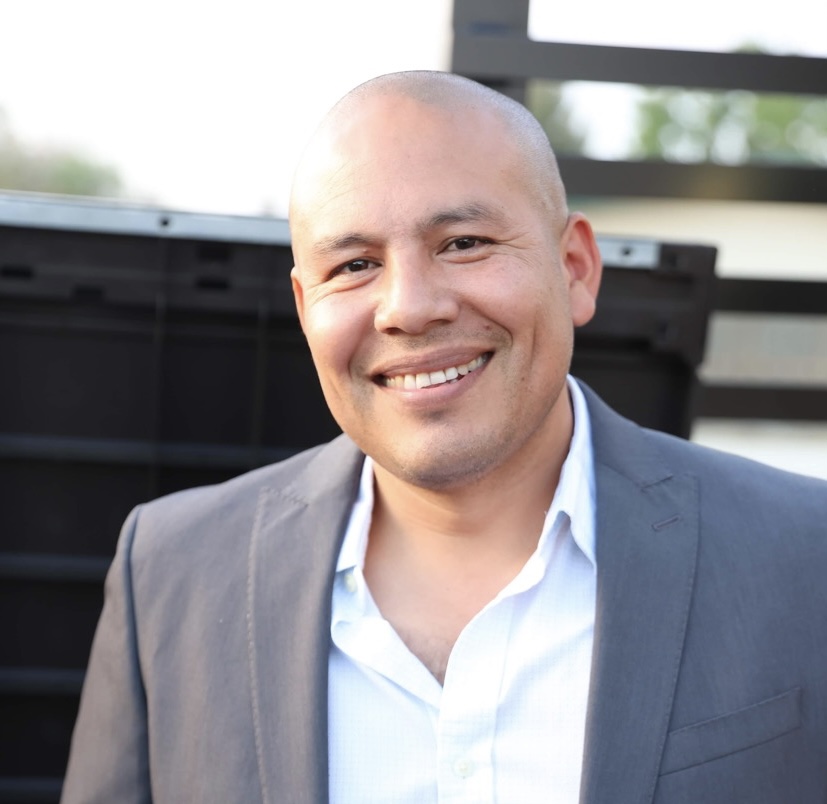
Sergio Cira-Reyes
he/him
Climate Justice Catalyst | Urban Core Collective
Grand Rapids, MI
As an immigrant, Sergio Cira-Reyes’ indigenous origins are from Michoacan, Mexico, land of the Purepechas. He currently serves as the Climate Justice Catalyst at the Urban Core Collective, in Grand Rapids Michigan. His work has taken him from social work, to education, to community engagement and now policy and organizing around climate justice.
Sergio organizes Latino Outdoors GR, serves as the Co-Chair for Somos Comunidad -the Latino fund at the Grand Rapids Community Foundation, and is the captain of the MLK Kings, a team within the Grand Rapids Champs League of which he was one of the founding members.

Dr. Stephanie Means
she/her
Director of Research | Walker-Miller Energy Services
Warren, MI (Work location: Detroit)
Dr. Stephanie Means serves as the Director of Research at Walker-Miller Energy Services, where she leads the Research and Consulting Team in designing and executing research initiatives that prioritize equity and amplify the voices of marginalized communities. With over 15 years of experience in interdisciplinary evaluation and research, stakeholder engagement, strategic problem-solving, and project management, Dr. Means brings a wealth of expertise to her role.
As a certified Six Sigma Black Belt, she is deeply committed to continuous improvement and fostering strong relationships with customers, clients, and communities. Her collaborative approach, clear communication, meticulous attention to detail, and adaptability are hallmarks of her leadership style. Driven by a passion for data-informed, evidence-based solutions, Dr. Means is dedicated to advancing clean energy initiatives that create meaningful, lasting impacts locally, nationally, and globally. In her free time, Dr. Means enjoys spending quality time with her two children and two beloved pets. She has a passion for gardening and is currently exploring the idea of starting a small urban farm in her backyard.

Taylor Searcy
he/him
Energy Strategy Engineer | General Motors
Windsor, CA (Work location: Warren)
Taylor Searcy is an Energy Strategy Engineer on the Renewables and Energy Strategy Team at General Motors, where he plays a pivotal role in advancing GM’s renewable energy goals and zero emissions vision. Prior to GM, Taylor worked at DNV, a leading international consultancy known for its testing, certification, and advisory services across the energy value chain. He led the technical team for DTE’s Energy Efficiency Program for Business, which promotes energy efficiency projects for commercial and industrial customers throughout Michigan.
Previously, Taylor lived in Fiji as a sustainability consultant, where he supported low-carbon maritime transportation solutions for Pacific Island countries. His career began in the US Navy, where he served as a surface warfare officer stationed in Japan from 2008 to 2013. Taylor holds a Bachelor of Science in Political Science from the US Naval Academy, a Master of Science in International Cooperation Policy from Ritsumeikan Asia Pacific University, and a Master of Engineering in Material Flow Management from the Zero-Emission Campus at Trier University of Applied Sciences. He is a proud father of three wonderful children and a devoted husband to Karen, who skillfully keeps the entire family organized and on track!














 Michigan Clean Energy Leaders